The Raritan Blog
Home » Raritan Blog » What Manufacturing, Healthcare, and Broadcast Operations Have in Common
What Manufacturing, Healthcare, and Broadcast Operations Have in Common
October 28, 2026
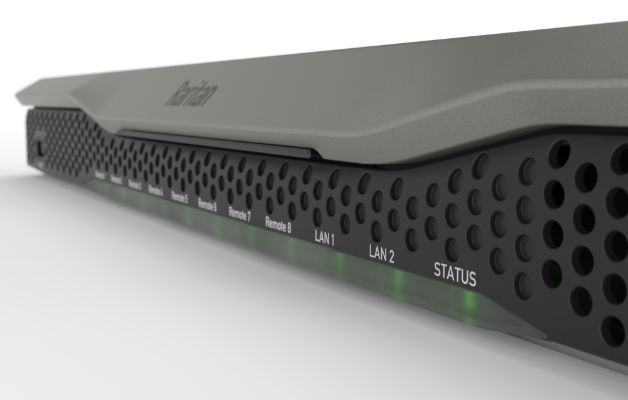
A semiconductor fabrication facility, a hospital imaging department, and a live broadcast control room appear to have very little in common. Each operates within a unique environment, relies on specialized technologies, and supports very different business objectives. Yet despite those differences, many of these organizations are confronting the same operational challenge: how to provide reliable access to increasingly distributed systems while centralizing the expertise required to support them.
This challenge has become more pronounced as operational environments continue to expand and technologies evolve. Critical systems are no longer confined to a single facility or managed by teams working in a single location. Instead, infrastructure is often distributed across campuses, production facilities, remote sites, and specialized operational environments. At the same time, the technical expertise needed to support that infrastructure is becoming increasingly concentrated within smaller teams.
As a result, organizations must rethink how they manage technology, deploy personnel, and maintain operational continuity.
The Rise of Centralized Expertise
Historically, many operational environments relied on a model that placed expertise close to the systems being supported. While that approach remains appropriate in some situations, it has become increasingly difficult to sustain as infrastructure footprints grow and specialized skill sets become harder to scale.
Organizations today face growing pressure to improve efficiency while maintaining high levels of service and responsiveness. Whether supporting a production environment, a clinical workflow, or a live broadcast, the goal is often the same: make the best possible use of limited technical resources without compromising operational performance.
This reality is driving a shift toward centralized operating models. Rather than providing expertise at multiple locations, organizations are increasingly looking for ways to leverage that expertise through technology. Remote management platforms, centralized monitoring systems, and enhanced visibility tools all play a role in supporting this transition.
The objective is not simply to reduce travel or lower operational costs. It is to ensure that the right expertise can be applied wherever and whenever it is needed.
Why Visibility Matters
As infrastructure becomes more distributed, maintaining visibility becomes more challenging. Support teams must be able to understand system status, identify issues, and respond quickly when operational events occur. This requirement extends across a broad range of technologies, many of which were never designed with modern remote management strategies in mind.
Manufacturing environments often incorporate highly specialized production systems that may remain in service for many years. Healthcare organizations rely on diagnostic and imaging technologies that support critical patient-care workflows. Broadcast operations frequently depend on tightly integrated systems that must function reliably under demanding conditions.
While these environments differ significantly, they share a common requirement: support teams need consistent visibility into systems that play an essential role in day-to-day operations.
This need for visibility helps drive broader conversations about how organizations support distributed infrastructure and how different layers of access can contribute to operational resilience.
A Broader Operational Trend
What makes this shift particularly interesting is that it extends beyond any single industry. Manufacturing, healthcare, and broadcast environments simply provide highly visible examples of a larger trend that is unfolding across many sectors.
Organizations are managing more technology than ever before. They are supporting larger operational footprints, responding to rising expectations for uptime, and working to maximize the effectiveness of specialized personnel. These pressures are encouraging a move toward operational models that emphasize centralized expertise, distributed visibility, and greater flexibility in how support resources are deployed.
Organizations are managing more technology than ever before. They are supporting larger operational footprints, responding to rising expectations for uptime, and working to maximize the effectiveness of specialized personnel. These pressures are encouraging a move toward operational models that emphasize centralized expertise, distributed visibility, and greater flexibility in how support resources are deployed.
The technologies that enable these models continue to evolve, but the underlying objective remains remarkably consistent. Organizations want to support increasingly complex environments without proportionally increasing the resources required to manage them.
That challenge is shaping infrastructure decisions across a growing range of industries.
Looking Ahead
The similarities between manufacturing facilities, healthcare systems, and broadcast operations may not be immediately obvious. Yet all three are navigating the same fundamental shift toward more distributed infrastructure and more centralized expertise. As operational environments continue to grow in complexity, the ability to maintain visibility, apply expertise efficiently, and support critical systems at scale will become increasingly important.
The industries may be different, but the direction is the same. Organizations are building operational models designed to support greater flexibility, resiliency, and efficiency. Understanding how those models continue to evolve will be an important part of preparing for the next generation of operational infrastructure.
To learn more about how organizations across multiple industries are addressing these challenges, download our white paper.
Other Blog Posts
- Why Software Remote Access Isn’t Always Enough
- Posted on October 29, 2026
- KVM Is No Longer Just a Data Center Tool
- Posted on October 27, 2026
- The Road to 800VDC: What High-Density Infrastructure Requires Next
- Posted on October 21, 2026
-
Engineering Rack-Level Infrastructure for High-Performance Environments
How HPC and AI Workloads Are Reshaping Rack Design - Posted on July 28, 2026
-
Secure by Design: What to Look for in a Modern KVM Platform
Why Security Architecture Matters for Out-of-Band Management - Posted on July 28, 2026
Subscribe
Upcoming Events
Latest Raritan News
- Legrand Introduces Next-Generation KVM Platform Built to Bring Critical Systems Back Online in Minutes
- Posted on July 20, 2026
- Greater Choice, Scalability, Speed: Why Legrand is Doubling Down on Open Compute Project Innovations
- Posted on October 3, 2025
- Legrand Brings Greater Flexibility to Data Center Operators with New Intelligent Rack PDU Universal Input Option
- Posted on February 26, 2025
- Legrand Expands Full Suite of DX2 SmartSensors, Keeping Data Centers Ahead of Rack Power and Environmental Monitoring Challenges
- Posted on December 18, 2024
- Legrand Wins Back-to-Back Awards for Intelligent Rack Power Distribution Innovation
- Posted on May 24, 2024