The Raritan Blog
Home » Raritan Blog » Considering Colocation: A Look into Its Advantages, Limitations, and Future Trends
Considering Colocation: A Look into Its Advantages, Limitations, and Future Trends
Taylor Chan
October 4, 2017
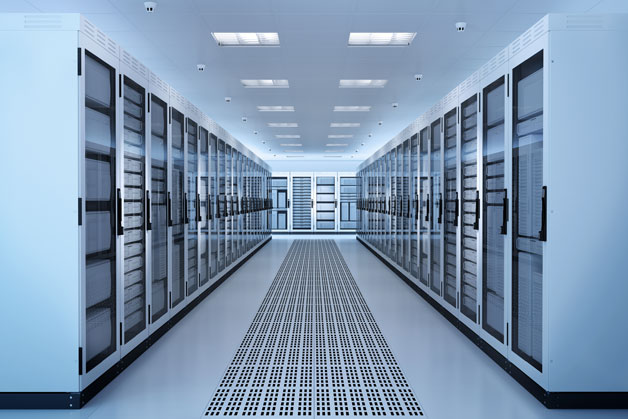
With a recent boom in data center needs, the concept of colocation has become a more popular option among all kinds of firms, from big corporations to small businesses. Colocation (“Colo”) facilities run and rent out shared data center space to various tenant customers, as opposed to individual companies managing their own data center.
Startup companies and larger organizations looking to expand their data centers may benefit from researching the colo options available. To help in broadening your knowledge about colos, here is a list of the benefits and challenges of allowing your data center to fly “colo” instead of “solo”:
Benefits:
- Colo operation facilities take care of everything from cooling to power to space. Customers need not worry about anything but their own servers and storage. This reduces the customer’s capital expenditure. It would be much costlier and more work to build, maintain, and update a single company’s own large data center.
- Colos are flexible with your goals. Many of them extend their offerings to adapt to their customers’ specific business initiatives.
- No time is wasted from establishing a completely new data center. It could take years for a company to build a brand new data center. And that could mean years of uptime affected. It is significantly easier to just implement your technologies in a colo and deploy them right away.
- Companies can choose to rent from a range of spaces, through retail and wholesale colocation centers. Companies can rent from different kinds of colo facilities, depending on their equipment requirements. Small companies mostly gear towards retail colos, leasing single servers, racks, and cages, whereas larger corporations prefer wholesale colos which lease entire suites and facilities.
Challenges:
- Sharing space among other customers in the colo may lead to lessened security. The fact that fellow colo tenants have access to the same general space as your company’s administrators may leave you uneased. However, highly-secure solutions like Raritan’s SmartLock door access and control system will surely give you peace of mind; both economical and efficient, this intelligent technology can secure and protect access to your rack(s) and enclosure(s) from unauthorized persons.
- There may be increased travel costs if the colo is far from the customer. This is especially a problem if your equipment needs to be manually touched and handled. To eliminate this issue, it is important to deploy solutions that can be easily remotely controlled. For Example, KVM-over-IP, Serial-over-IP, and PDU hardware aid in allowing you to fully manage your devices from afar. It’s also a good idea to have clear instructions for your provider so that your equipment can be handled properly at all times, limiting the need for additional on-site support from your company.
- You could be overcharged if your power usage isn’t recorded and billed accurately. It is crucial to ensure that your power is measured correctly so that your firm pays exactly for what it uses. Luckily, solutions like PowerIQ and intelligent rack PDUs assist in detailing the power a customer uses, while providing equal distribution of energy charges and driving energy maximization and sustainability initiatives.
What does the future for colo markets look like? According to recent research conducted by MarketsandMarkets, the global data center colocation size is expected to grow from $31.52 billion in 2017 to $62.30 billion by 2022, at a Compound Annual Growth Rate of 14.60%. Retail colo will hold the largest market share. Additionally, North America is expected to have the largest market in 2017, while the Asian Pacific market is projected to grow at the highest rate from 2017 and 2022.
It’s evident that colocation is gaining popularity and poses major benefits, but the ultimate decision between whether a firm should go colo or not depends on what’s best for the firm and its initiatives. If moving to a colo is in your future, you may want to consider key technologies to help you remotely manage your equipment. Technologies like KVM-over-IP, Serial-over-IP and iPDUs with remote power monitoring/control, remote cabinet security, and environmental monitoring can dramatically improve uptime, availability, efficiency, and productivity and overcome potential obstacles.
Want to learn more about colocation? Check out Raritan’s webinar, Technology Trends for Highly Effective Colocation Deployments.
Other Blog Posts
- The Rapid Growth of AI and the Use of Raritan PDUs to Meet Higher Power Demands
- Posted on October 11, 2023
- Data Center Report Fewer Outages, But Downtime Still Costly
- Posted on September 20, 2023
- Survey: Energy Usage and Staffing Shortages Challenge Data Centers
- Posted on September 20, 2023
- Raritan Secure Switch: Secure NIAP 4.0 Compliant Desktop KVM
- Posted on September 20, 2023
- The Midwest is a Hot Market for Data Centers: How the New Generation of Intelligent Rack PDUs Can Save Cloud Giants Uptime and Money
- Posted on September 7, 2023
Subscribe
Upcoming Events
- AFCOM Data Center World
- April 15 – 18 • Walter E Washington Convention Center - Washington, DC
- National Association of Broadcasters
- April 13 – 17 • Las Vegas Convention Center - Las Vegas, NV
- Advancing Data Center Construction West 2024
- May 6 – 8 • Salt Lake City, UT
- Net Zero Data Center
- May 16 – 17 • Dallas, TX
- 7x24 Exchange Spring
- June 9th • JW Marriott Orlando Grande Lakes
Latest Raritan News
- Legrand Certifications and Process Controls Provide Confidence in Information Security for Network-Connected Devices in Data-Related Applications
- Posted on April 1, 2024
- Legrand Releases Version 4.0 of Raritan’s Industry-Leading Secure KVM Switches, Raising Bar for Secure Desktop Access
- Posted on July 31, 2023
- Legrand Revitalizes Data Center Sector with Two Revolutionary Intelligent Rack PDUs
- Posted on May 1, 2023
- Raritan Reveals The MasterConsole® Digital Dual KVM Switch
- Posted on February 18, 2021
- Legrand Data, Power and Control Division Announced as Finalist in Six Categories at DCS Awards 2020
- Posted on November 9, 2020