The Raritan Blog
Home » Raritan Blog
Introducing Raritan, a Brand of Legrand
Michael Bord
March 10, 2016

This month we are thrilled to introduce Raritan’s new logo. Raritan Inc. is now Raritan, a Brand of Legrand. On the surface, it would appear to be nothing more than semantics and a sleek new modern design. But, there’s more to the story than that.
Why Do Idle Servers Exist in the Data Center?
Michael Bord
February 24, 2016

When orchestrated correctly, the data center is a symphony of disparate devices working together in complete harmony. But, the reality is that few data centers are as orderly as the New York Philharmonic. In 2012, the Uptime Institute published a report that found around 30% of data center servers were under-utilized or altogether idle. But why do idle servers exist in the data center in the first place?
Understanding Overload Protection in Raritan’s Rack Transfer Switch
David Wood
February 16, 2016
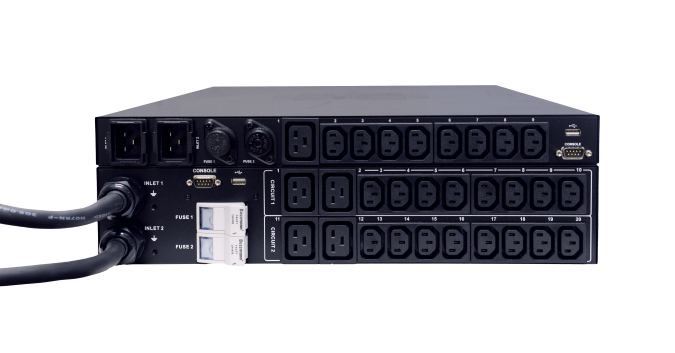
This past week, we opened our mailbag and found the following customer email:
Dear Raritan team,
We mostly love the 16A rated rack transfer switch so far! The physical design made it easy to connect power feeds from the back of the cabinet. The outlet-level metering and switching let us power off development servers no one was using on weeknights and weekends. But, here’s one thing that wasn’t so great:
We recently experienced a total device failure. We weren’t sure what it was at first, but quickly realized it was a blown fuse from both the web interface and indicator lamp/alarm on the unit. Once we replaced the fuse the unit continued operating just fine. But, why is it there in the first place? And why not have a circuit breaker instead of a fuse?
Tl;dr What is the purpose of the fuses located on the inlet side of Raritan’s rack transfer switch and why not have a circuit breaker instead?
Are Data Center Power and Cooling Being Overlooked?
Michael Bord
February 10, 2016
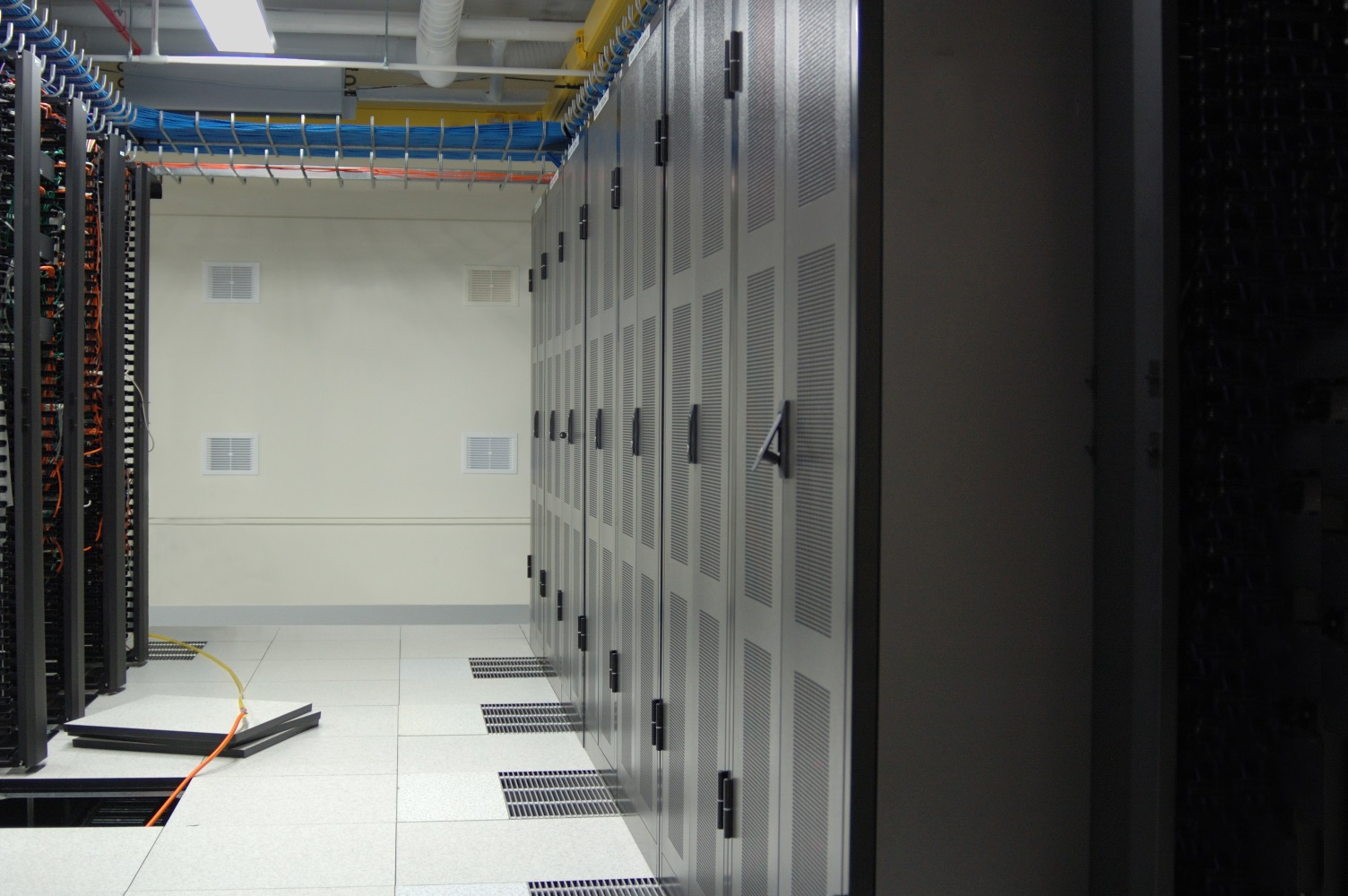
There’s been no shortage of coverage on the data center industry over the last few years. Topics like big data, cloud, CI, IOT, HPC, and virtualization get all the headlines. But why don’t fundamental topics - like power, cooling, and infrastructure - get the same amount of exposure?
How Savvy Data Center Managers are Driving Change in the Colo Industry
Michael Bord
February 3, 2016

Up until recently, the colocation model was pretty straightforward. You brought your servers and storage devices to your provider’s facility. In return, your provider supplied the infrastructure, power, cooling, physical security, and so on. But new trends and smarter data center managers are forcing colos to up their game. So going forward, providers will need to offer more flexibility, transparency, and services.
Subscribe
Upcoming Events
Latest Raritan News
- Legrand Introduces Next-Generation KVM Platform Built to Bring Critical Systems Back Online in Minutes
- Posted on July 20, 2026
- Greater Choice, Scalability, Speed: Why Legrand is Doubling Down on Open Compute Project Innovations
- Posted on October 3, 2025
- Legrand Brings Greater Flexibility to Data Center Operators with New Intelligent Rack PDU Universal Input Option
- Posted on February 26, 2025
- Legrand Expands Full Suite of DX2 SmartSensors, Keeping Data Centers Ahead of Rack Power and Environmental Monitoring Challenges
- Posted on December 18, 2024
- Legrand Wins Back-to-Back Awards for Intelligent Rack Power Distribution Innovation
- Posted on May 24, 2024